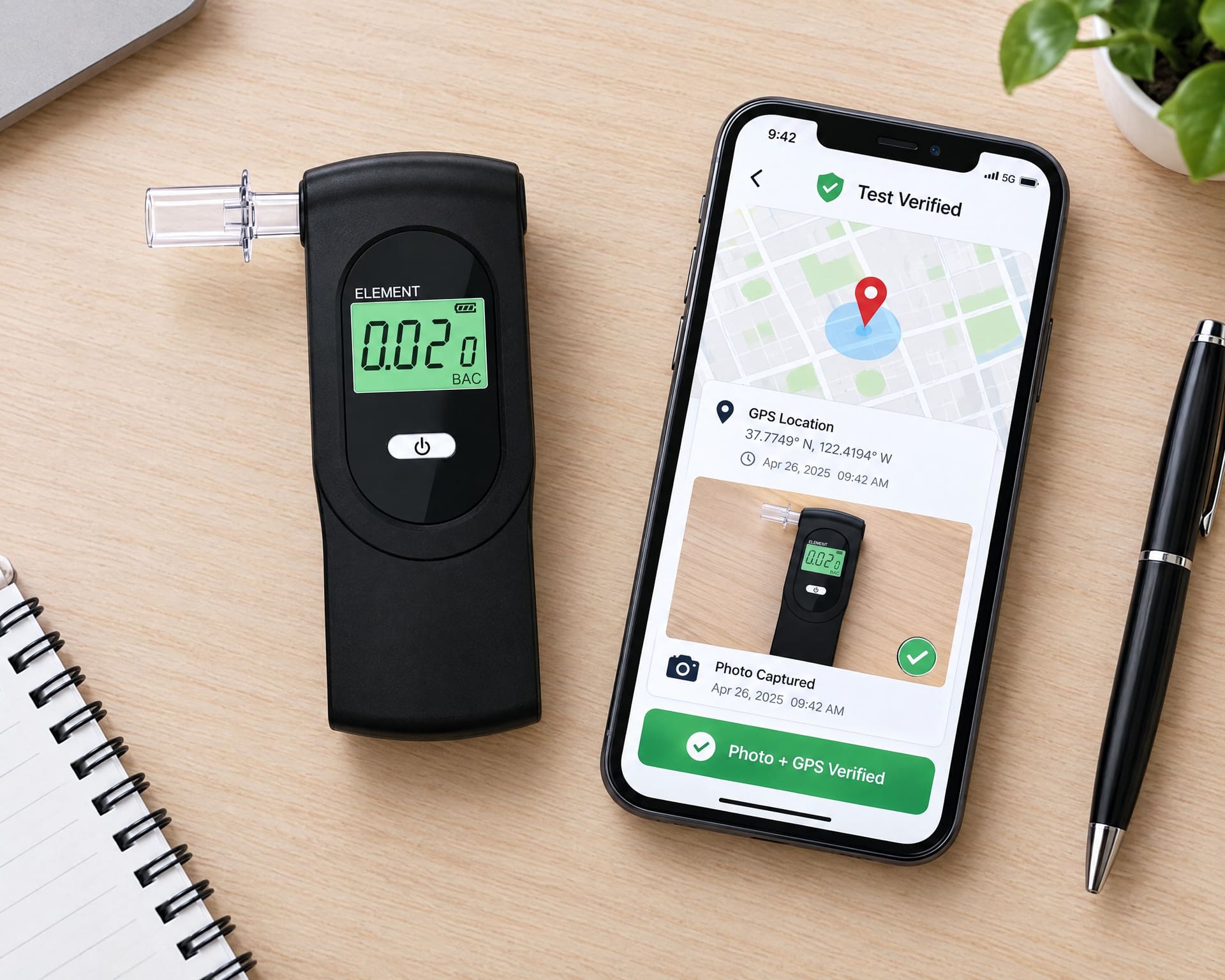
A breath-alcohol reading answers one question: was there alcohol? For a court, that's not enough. It also needs to know who took the test, and where. Every test on the Guardian GPS handheld answers all three.
The problem with an unverified reading
Traditional take-home breath testers produce a number, but nothing ties that number to the participant. Someone else could blow, or the test could be taken somewhere other than where the participant claims to be. That doubt is exactly what a defense attorney or a skeptical judge will focus on.
What gets captured on every test
- The reading: A fuel-cell sensor measures breath alcohol content in under 15 seconds, right on the device.
- The face: Facial recognition checks the participant against the face registered at intake.
- The photo: A photo is captured with every breath sample and saved to the record.
- The place: A GPS location is tagged to every test.
Scheduled, random, or both
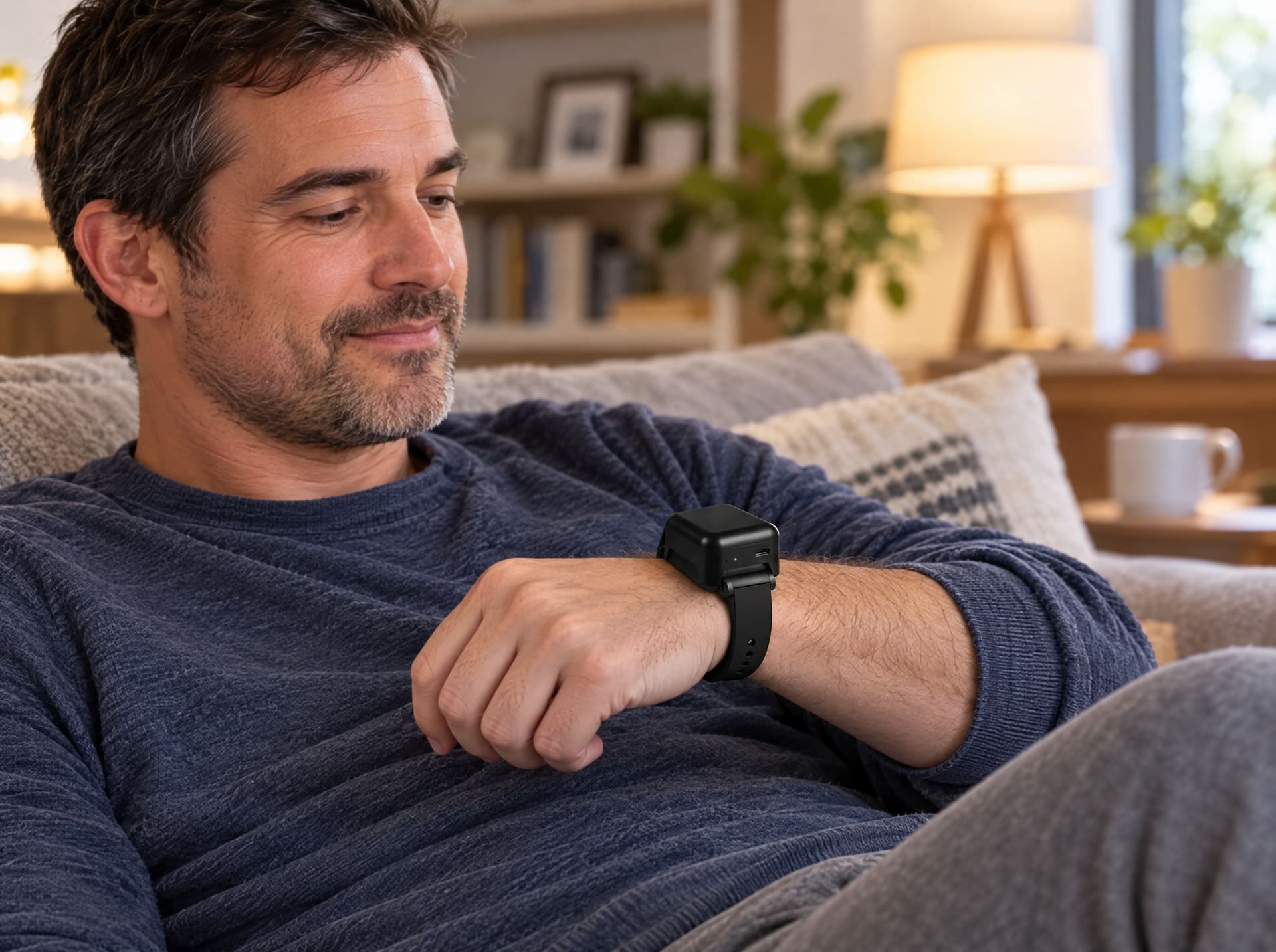
Programs can prompt tests on a fixed schedule, at random times, or a mix of the two. Random prompts are the stronger deterrent, since there's no safe window to drink between tests. With a 5-day standby battery and a compact size that fits in a pocket, the device goes wherever the participant goes — to work, to school, to a family visit.
A reading tells you whether there was alcohol. The photo and the map pin tell you whose breath it was, and where they were standing.
From breath to officer, in seconds
Our platform screens each reading against the participant's sobriety requirements. A positive reading routes straight to the assigned officer, with the photo, location, and timestamp attached — a clean, court-ready record that's available in the platform anytime.
See the alcohol detection device
Full specs, how testing works, and who it is built for.
Guardian GPS Team
Product updates and field notes from the people building Guardian GPS Monitoring.