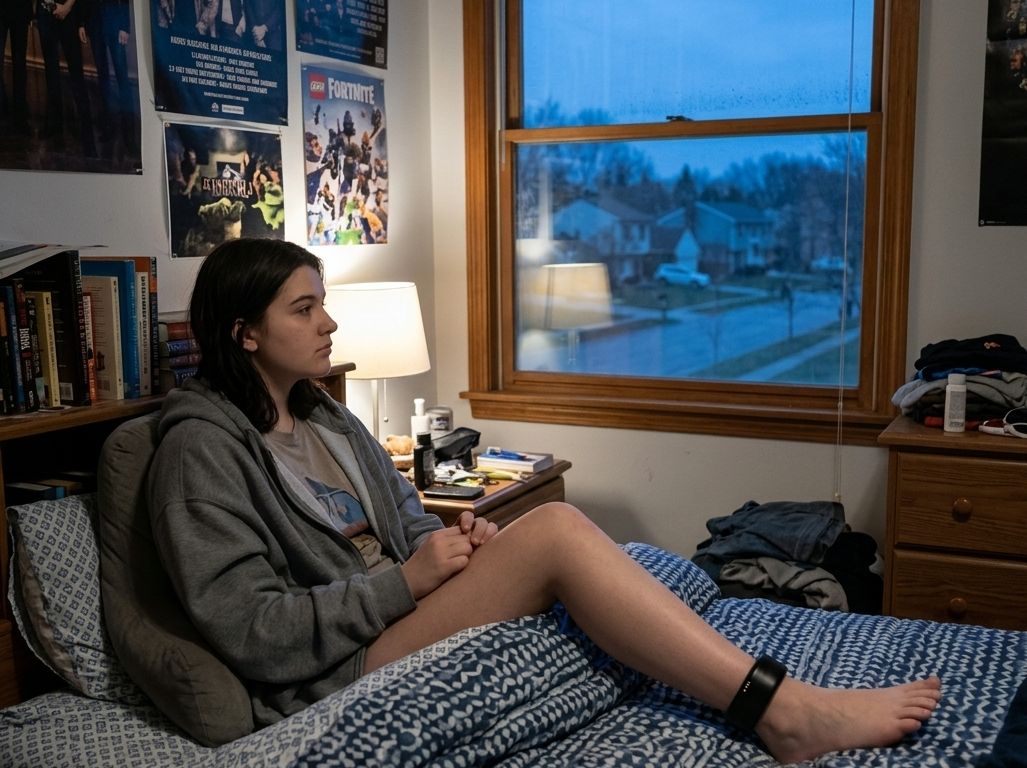
For many participants, the hours that matter most are the ones after dark. Curfew monitoring lets courts and agencies enforce those hours without full-time home confinement — and without anyone making a phone call at 11 p.m. to ask, "Are you home?"
Setting the window
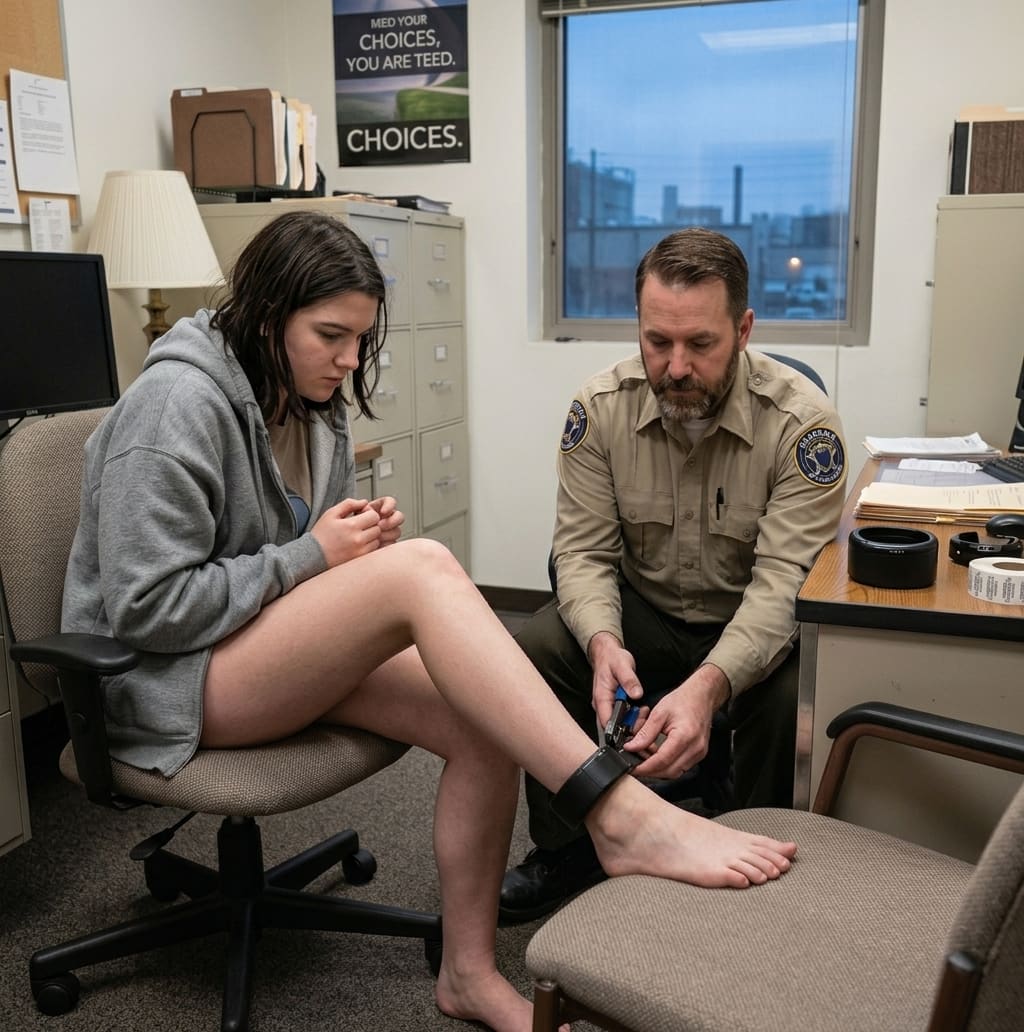
Every curfew starts with a schedule. At enrollment, a specialist configures each participant's curfew window and approved locations — usually home, sometimes a workplace for someone on a night shift. Windows are set per participant, so a weekday curfew can differ from a weekend one, and a case manager can adjust them as conditions change.
What happens overnight
- Arrival logged: The device records the exact time the participant arrives at an approved location.
- Position checked: The GPS ankle monitor reports location every 30 seconds over encrypted cellular, so the platform always knows whether the participant is inside the approved zone.
- Schedule compared: Our platform checks every arrival and departure against the configured curfew automatically.
- Gaps covered: If cellular signal drops, the device stores up to 72 hours of location history and sends it the moment signal returns.
When a curfew is broken
A departure during the curfew window, or a late arrival, routes straight to the assigned officer — day or night — with a live specialist in our 24/7 monitoring center standing by. Average alert response time is under 60 seconds. Officers don't have to scan a dashboard all night; the platform tells them when something needs attention.
Curfew is one of the most common conditions a court sets. With automatic monitoring, it no longer has to be one of the hardest to verify.
Court-ready by morning
Every arrival, departure, and alert is timestamped and saved to the participant's record, ready for probation reviews and court hearings. For participants, that record works both ways: a clean month of curfew compliance is documented proof of progress.
Set up curfew monitoring for your program
Our team will walk through your requirements and configure schedules that fit — no obligation.
Guardian GPS Team
Product updates and field notes from the people building Guardian GPS Monitoring.