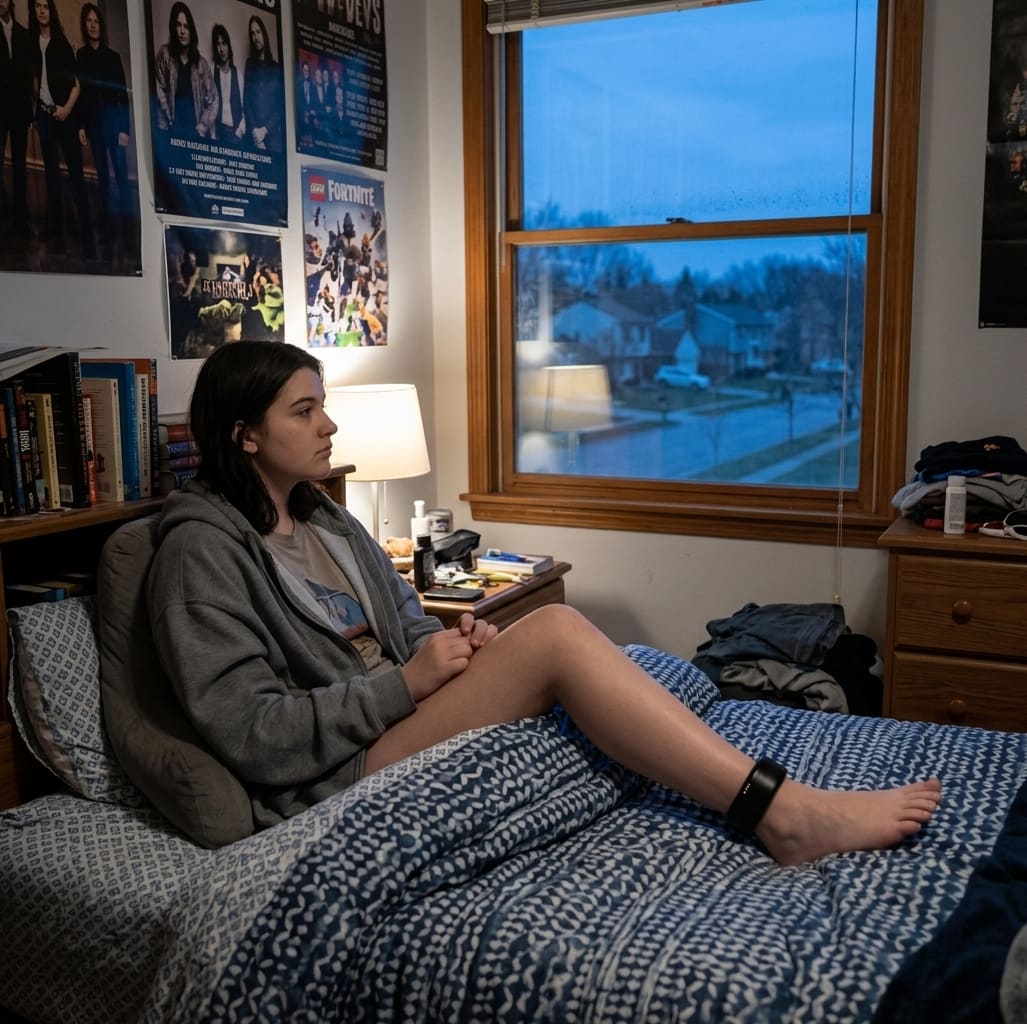
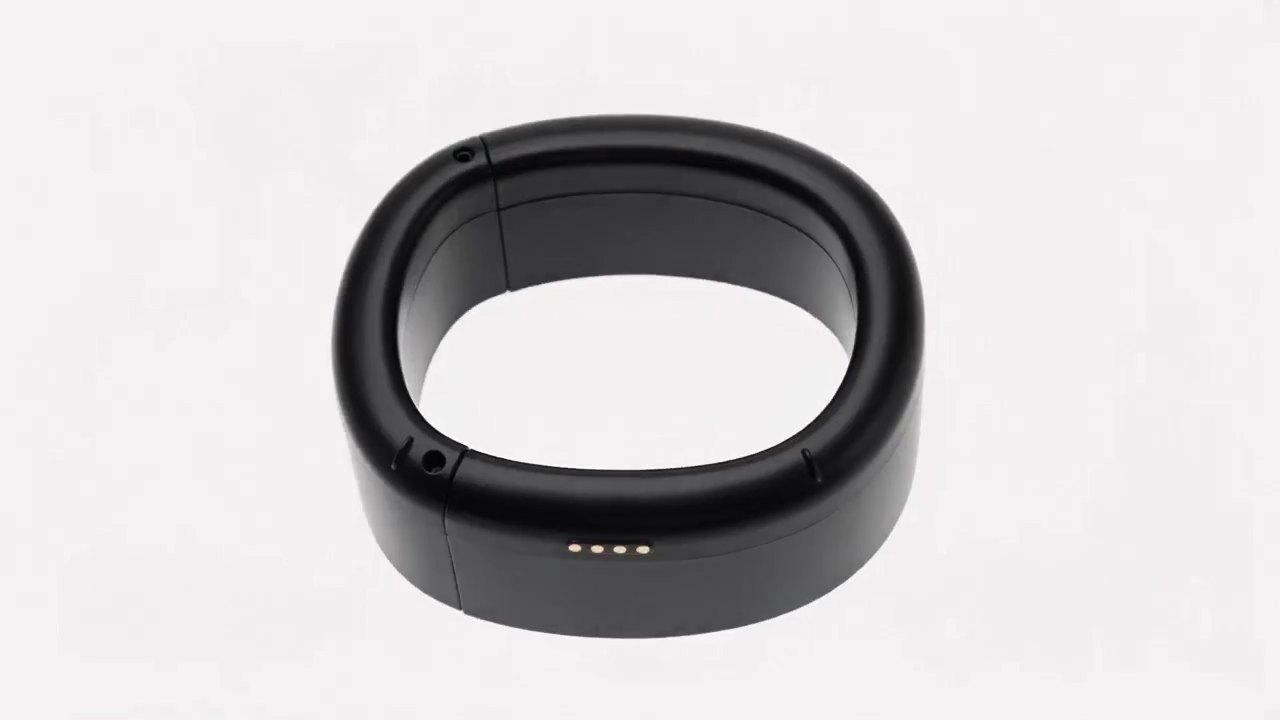
GPS Ankle Monitor · Model X14
Reliable location monitoring, worn with confidence
A waterproof ankle monitor with real-time GPS, tamper alerts and a 5-day battery. A live monitoring center watches every signal, day and night.
Inside the X14
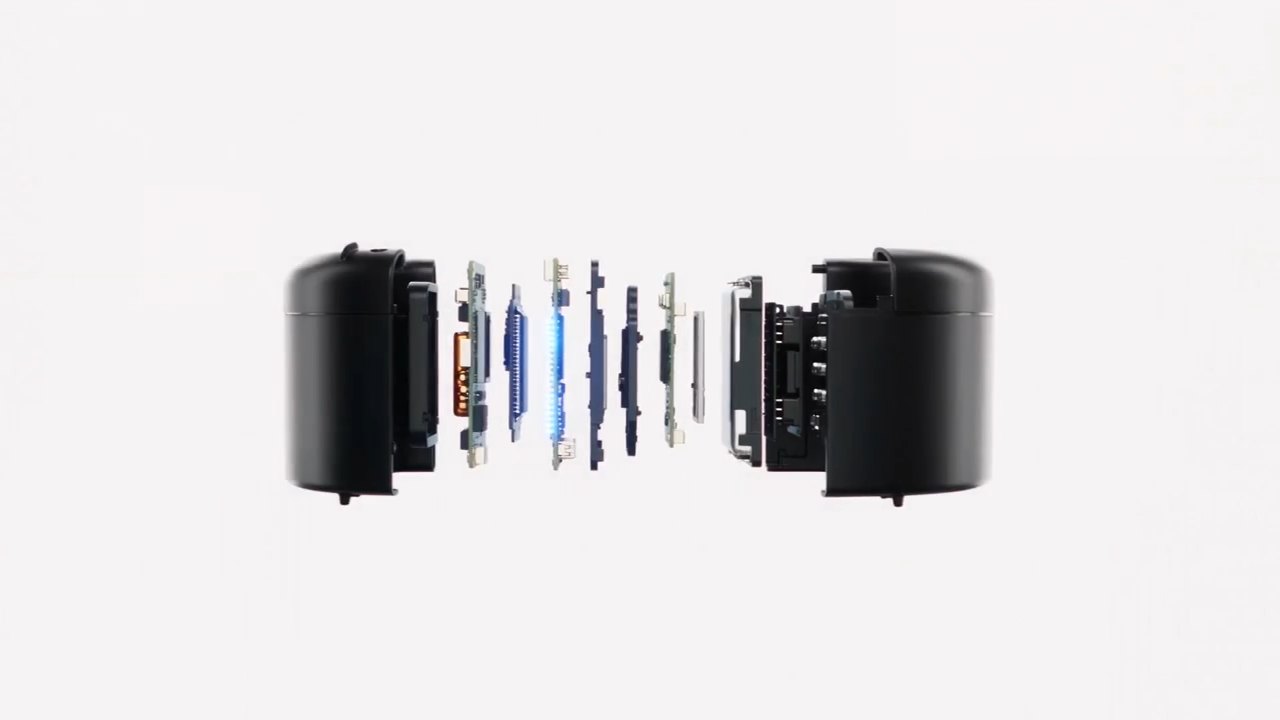
Five systems, sealed in one small housing
- 01 / 05
A strap that tells on itself
A fiber optic strap and housing sensors flag cutting, stretching or opening the moment it happens.
- 02 / 05
Location you can stand behind
A u-blox 8 GPS engine fixes position within 3 to 5 meters, with cell-tower location as a backup.
- 03 / 05
Connected, even in dead zones
LTE CAT-1 on two networks with automatic failover. If signal drops, 72 hours of history waits on the device.
- 04 / 05
Five days on a charge
The clip-on charger fills it in about 2 hours, so the device never has to come off.
- 05 / 05
Sealed for real life
IP68 waterproof for showers and rain, rated from -4°F to 122°F, and just 4.8 oz with the strap.
Try it yourself
Cross the line and see who finds out
Drag the participant into the red zone. The X14 reports its position, our platform checks it against the rules, and the officer hears about it in under a minute.
- Home, an inclusion zone they must stay in after curfew
- An exclusion zone, like a protected party's address
Illustration of the alert path: GPS fix, cellular report, zone check, officer notified. Keyboard: focus the dot and use the arrow keys.
How it works
From ankle to alert, in four steps
-
 Step 01
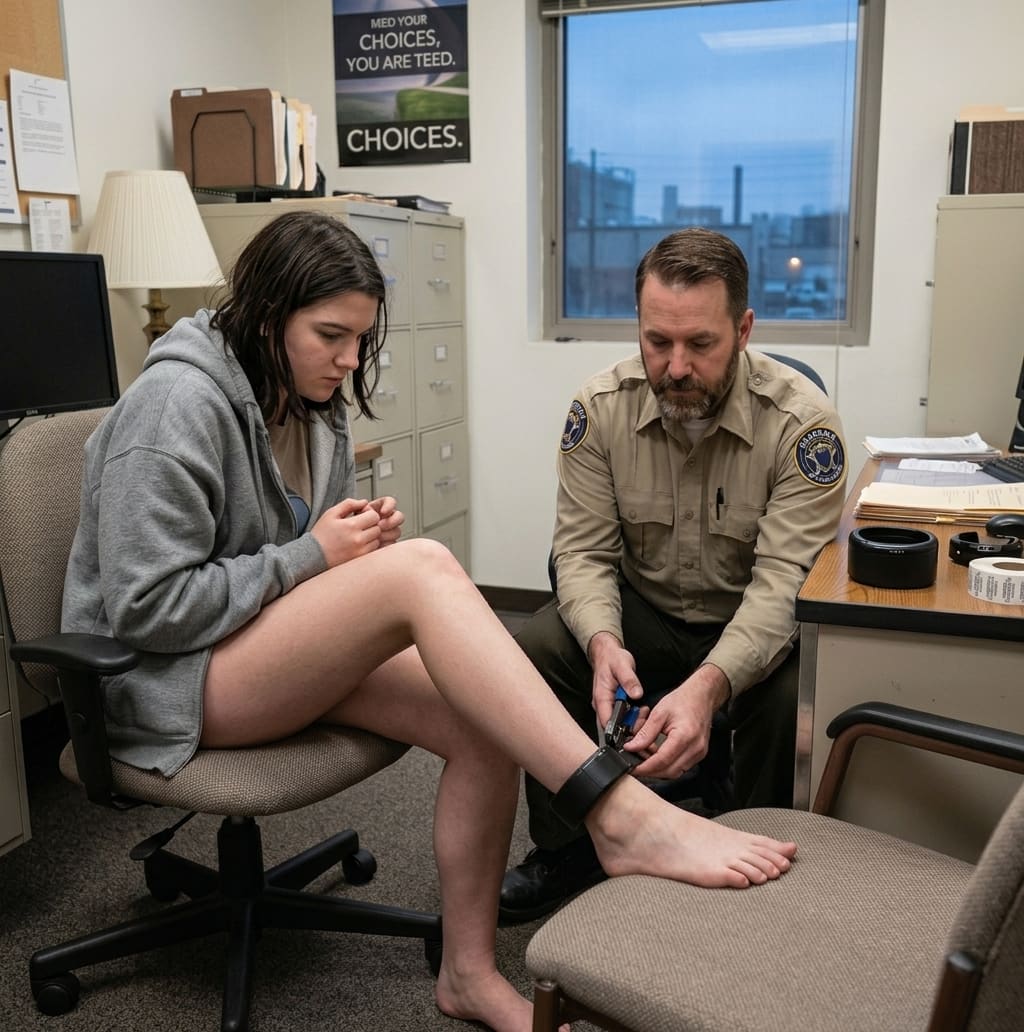
Fitted at intake
A specialist fits the strap and confirms the device is reporting before the participant leaves.
-
 Step 02
Location tracked
The device checks in with GPS every 30 seconds and sends it over encrypted cellular.
-
 Step 03
Zones checked
Our platform compares each position against that participant's exclusion zones and curfew rules, automatically.
-
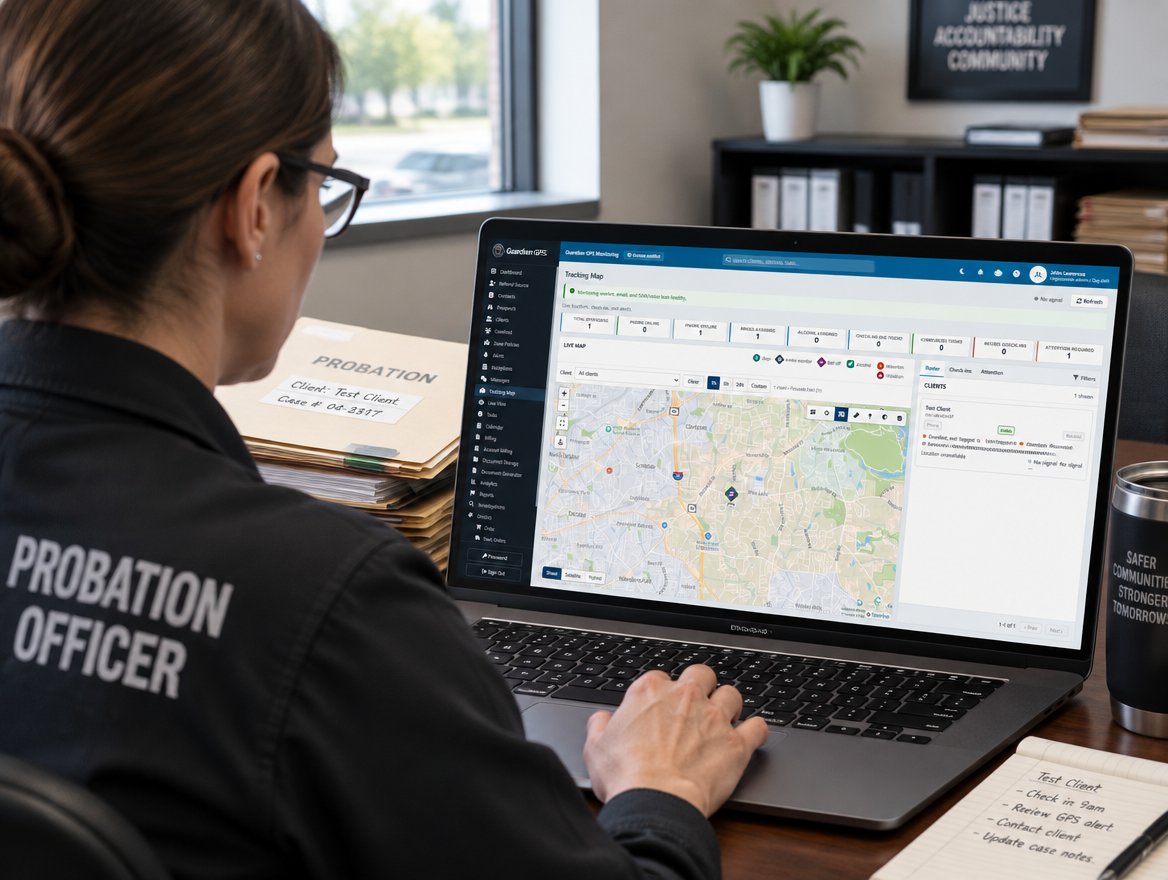 Step 04
Officer notified
Violations go straight to the assigned officer, with a live specialist standing by.
Full device specifications
| Category | Detail |
|---|---|
| Model | Guardian GPS X14 ankle monitor, paired with the X14 charging dock |
| Dimensions | 2.9" × 1.6" × 1.1" (74mm × 41mm × 28mm) |
| Weight | 4.8 oz (136g), including strap |
| Strap material | Medical-grade silicone, adjustable, tamper-resistant clasp |
| Battery life | 5 days on a single charge under normal use |
| Charging | X14 clip-on inductive charger, worn during charging, ~2 hours to full |
| GPS accuracy | Within 3–5 meters outdoors, multi-satellite (GPS, GLONASS, Galileo) |
| Location refresh | Every 30 seconds, configurable down to 10 seconds for active alerts |
| Cellular connectivity | Dual-network 4G LTE with automatic failover |
| Water resistance | IP68: showers, rain, and brief swimming (up to 30 seconds submerged at shallow depth) |
| Tamper detection | Strap-cut, stretch, and housing-breach sensors with instant alerting |
| Operating temperature | -4°F to 122°F (-20°C to 50°C) |
| Data storage | 72 hours of location history stored on-device if cellular signal is lost |
| Certifications | FCC, IC, CE compliant |
| Warranty | 1-year manufacturer warranty against defects |
Trusted across the justice system
Courts & agencies
Pretrial, probation, and parole programs that need dependable, court-ready compliance data.
Pretrial programs
A lower-cost alternative to detention that still keeps participants accountable.
Individuals & families
Clear guidance and 24/7 support for participants and the families supporting them.
Probation & parole officers
Real-time location and compliance data that makes caseload supervision faster and safer.
Reentry & transition programs
A supervised bridge back into the community that supports steady work and family stability.
Bail bond companies
Verified location data that backs up bond conditions and reduces failure-to-appear risk.
Domestic violence protective orders
Exclusion-zone alerts that notify officers and protected parties the moment a boundary is crossed.
Juvenile justice programs
Age-appropriate supervision tools that keep young people connected to school and family.
Getting started
What to expect at enrollment
- 1
Intake & fitting
A specialist fits the device to the participant's ankle, confirms strap tension, and walks through daily care.
- 2
Zones & rules configured
The case manager sets exclusion zones, curfews, and check-in schedules in the platform before the device leaves the office.
- 3
Live signal confirmed
Our monitoring center checks that the device is reporting GPS and cellular signal before the participant is released.
- 4
Ongoing monitoring
From then on the device reports around the clock, with a staffed monitoring center and support for participants and officers.
GPS Ankle Monitor FAQ
Wearing & Comfort
Yes. The device is rated IP68, so it can handle showers, rain, and swimming, defined as a brief submersion of up to 30 seconds at shallow (light) depth. It should not be worn in hot tubs, saunas, or submerged for extended periods or at greater depth. Read our guide to showering and swimming with an ankle monitor.
The device has a low-profile design that sits close to the ankle and fits comfortably under most pants and socks. It's not hidden, but it isn't bulky or obviously flashing lights either.
Travel outside your approved zones requires prior authorization from your officer or case manager. Driving is generally fine as long as it stays within your approved area and schedule. See how far you can go on an ankle monitor.
You'll receive the ankle monitor, an adjustable strap fitted at intake, a clip-on charger, and a quick-reference card with the monitoring center's number. A specialist walks you through setup before you leave.
Battery & Connectivity
The device alerts the participant and the monitoring center well before the battery is depleted. Charging takes about 2 hours using the clip-on charger, and the device can be worn the entire time.
The device stores up to 72 hours of location history on-device and transmits it as soon as cellular signal is restored. Dual-network failover also minimizes coverage gaps in the first place.
Contact our monitoring center immediately at the number provided at enrollment. Our support team is staffed 24/7 and will coordinate a replacement or repair right away. Do not wait to report an issue.
Program, Security & Pricing
Cutting or stretching the strap, forcing the clasp, or opening the device housing all trigger an immediate tamper alert to the monitoring center and assigned officer.
Exclusion zones flag if a participant enters a restricted area, like a victim's residence or a specific neighborhood. Inclusion zones do the opposite, alerting if someone leaves an area they're required to stay in, such as their home or workplace during set hours.
Switching devices requires officer or case manager approval, since it depends on program requirements and risk level. Ask your assigned officer or contact us to discuss eligibility.
Pricing depends on the program and length of enrollment. Courts and agencies typically set up a contract directly with us, while individuals can view current plans or talk to a specialist for a personalized quote.
No. Location and compliance data go only to the assigned officer, court, or agency overseeing the program. Family members do not have access to monitoring data.
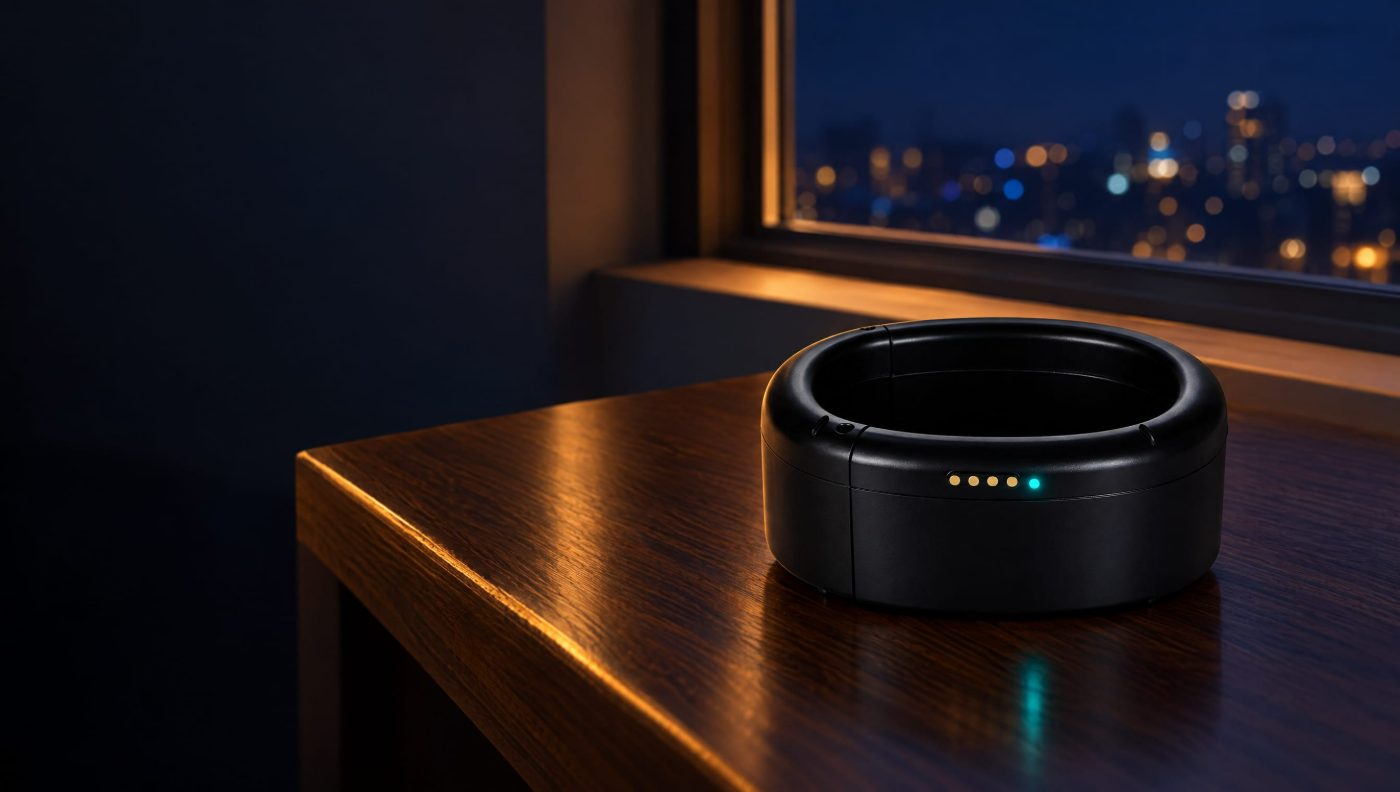
Day and night
Quiet nights. Steady signal.
Five days on a charge, a location fix every 30 seconds, and a live team behind every alert.