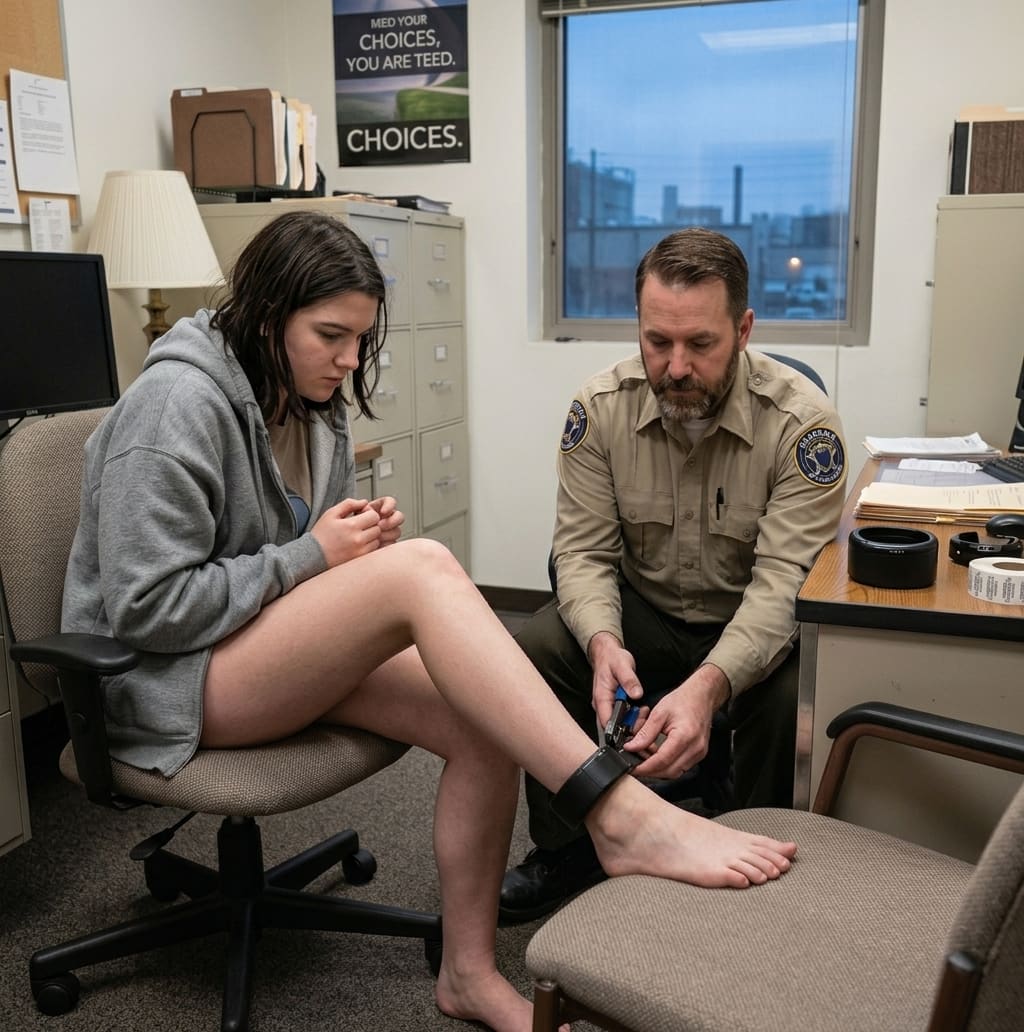
In many cases the person being monitored, or their family, pays for the ankle monitor. With Guardian GPS you can enroll online in about three minutes, have the device shipped to your door. The 24/7 monitoring center is included with every device.
Rules are set by your court or supervising officer. If anything here differs from what they told you, follow their instructions.
Who pays for an ankle monitor?
Your court order or bond agreement says who is responsible. Most often it's the person being monitored or a family member paying for them. Some courts and supervision programs cover the cost, especially for people who can't afford it. When monitoring is a condition of a bond, the bail agent may arrange it and include it in their fees.
How private enrollment works
- Enroll online: tell us who's being monitored and choose the device that fits. It takes about three minutes on average.
- The device ships to your door, charged and ready to activate.
- Activate and confirm: your zones and schedule are set to match your court order. Monitoring data goes only to your officer, court or agency, not to family members.
- Ongoing monitoring and support: the monitoring center and a real person on the phone are there 24/7.
Not sure which device the order calls for? A specialist will walk through your situation and recommend the right fit, with no obligation.
What it costs
Cost depends on the device your order calls for and how long you will be monitored. A specialist will give you a clear quote before you enroll, with the 24/7 monitoring center included and no hidden fees. Some providers add setup or installation charges, so always compare the total cost, not only the daily rate. Health insurance generally doesn't cover court-ordered monitoring. Talk to a specialist for a quote.
Before you enroll: check with the court
A few questions for your attorney or supervising officer will save time:
- Does the order let you choose your own monitoring provider?
- Which device is required: GPS ankle monitor, watch, alcohol device, or would the House Arrest App be accepted?
- Who needs to receive the monitoring reports, and from what date?
- Can the court reduce or waive fees? Some courts do for people who can't afford them.
If the app is allowed, it usually costs less than an ankle monitor. Our comparison of the ankle monitor and the House Arrest App explains the differences.
Questions to ask any monitoring provider
- What is the total daily rate, and does it include monitoring?
- Are there setup, removal or equipment fees?
- Is the monitoring center staffed by people around the clock?
- How quickly do alerts reach the officer?
- What happens if the device is damaged, and how is equipment returned at the end?
The cheapest daily rate isn't always the cheapest program. Add up every fee before you sign.
Frequently asked questions
How much does it cost to pay for your own ankle monitor?
It depends on the device and how long you are monitored. A Guardian GPS specialist will give you a clear quote before you enroll, with the 24/7 monitoring center included.
Can a family member pay for someone else's ankle monitor?
Yes. Most often the person being monitored or a family member pays. Your court order or bond agreement says who is responsible.
How fast can I get set up?
Online enrollment takes about three minutes on average, and the device ships to your door charged and ready to activate.
Are there hidden fees?
No. Guardian GPS gives you a clear quote before you enroll. Some other providers add installation fees, so compare the total cost.
Does insurance cover an ankle monitor?
Generally, no. Health insurance does not usually cover court-ordered electronic monitoring. Ask the court whether fees can be reduced or waived.
Ready to enroll, or still deciding?
A clear quote up front, a device shipped to your door and a real person on the phone 24/7.

Guardian GPS Team
Product updates and field notes from the people building Guardian GPS Monitoring.